 React
 Vite
 Framer Motion
 TypeScript
 styled-components
 Tailwind CSS
 Storybook
 GitHub
 Netlify
 Figma
Find the friction before choosing a solution
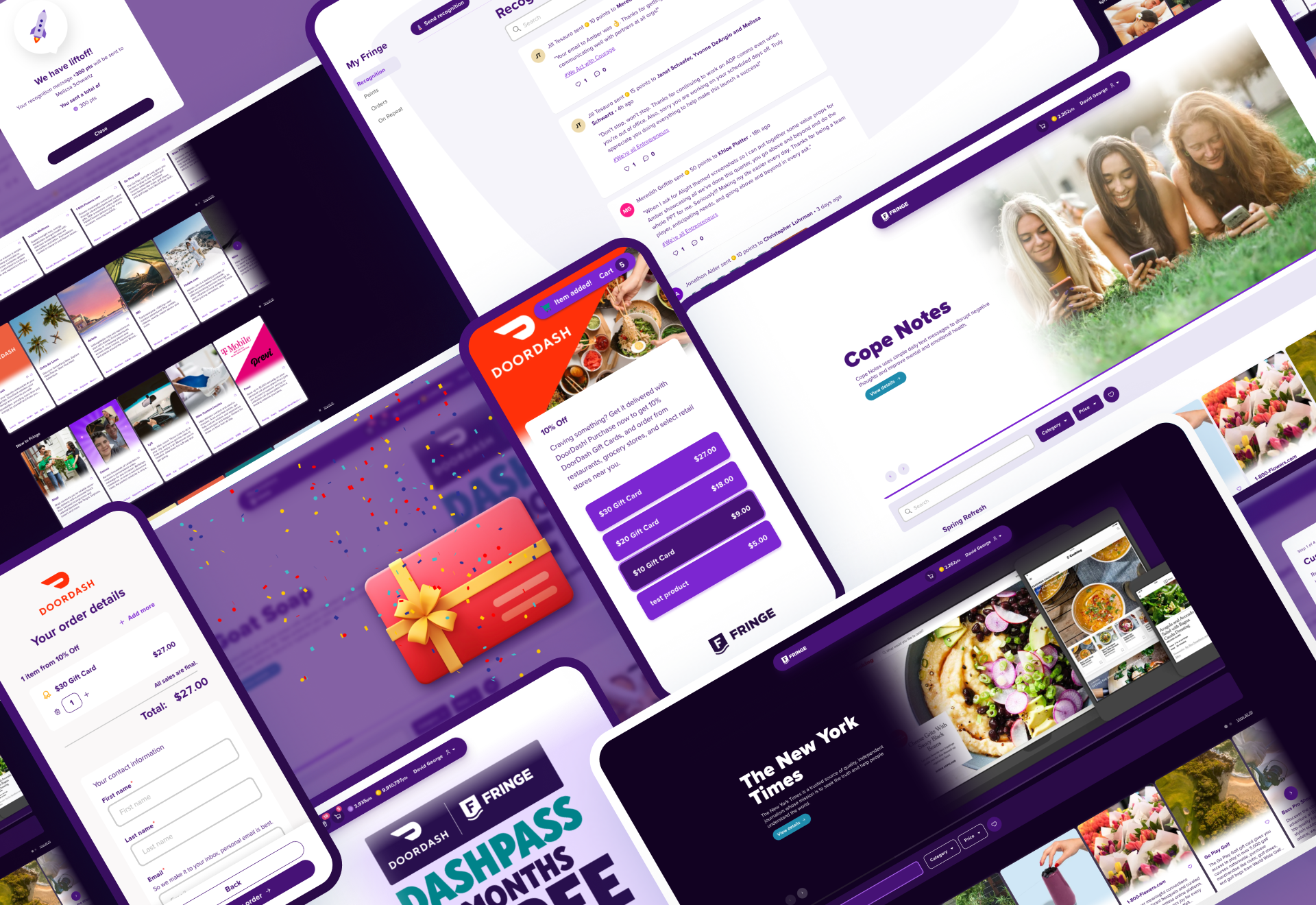
I established research with power users through UserTesting and guided interviews to learn what people came to the marketplace to find and where they stalled. We evaluated alternative concepts with prototypes and A/B tests rather than treating the first design as the answer. The research exposed friction in both product discovery and the cart.
Design for relevance and repeat behavior
The resulting product grouped recommendations around users’ interests instead of presenting an undifferentiated marketplace. Favorites and recurring purchases supported the way people returned to products they already valued, while a shorter path to checkout and a clearer cart removed unnecessary decisions.
Measure the journey in production
Production analytics showed an approximately 30% reduction in time from marketplace discovery to add-to-cart. The redesigned cart also increased completed checkouts. Those measures connected the interface changes to observable user behavior rather than relying on launch completion as the definition of success.
Make the architecture support iteration
I led the frontend architecture behind the product work: a shared component library aligned across Figma and Storybook, the JavaScript-to-TypeScript and Create React App-to-Vite migrations, and React upgrades from 16 through 18. The shared foundation reduced development time by approximately 40% and made later product experiments faster and more consistent to deliver.